Showing posts with label Thai. Show all posts

Thursday, December 24, 2009

Spicy Peanut Sauce²


So what would Fresh Wraps be without a really good peanut sauce? I have two that I use. One is easy and quick, the other a little more complicated. Both are very yummy and versatile…so without further introduction, here they are.

This first recipe I got from Auntie May who say’s this is how they do it in Thailand. It's fairly uncomplicated, and perfect for the dump cook as it doesn’t have precise measurements. Feel free to experiment with the proportions as all are approximate...just keep tasting until you get it how you like it.


Thai Spicy Peanut Sauce

1 tsp Thai red curry paste
1 can coconut milk
½ cup sugar
½ cup peanut butter
½ tsp Paprika
½ tsp salt (or to taste)


Sauté the curry paste for 30 seconds or until fragrant. Add the coconut milk, sugar, peanut butter and salt. Stir constantly until thickened slightly (burns easily). It will thicken up more as it cools. Serve warm or cold. Enjoy!

*********************************************

The second recipe I have for you was adapted from a recipe I found on epicurious.com. It’s a little more complicated, has a proper ingredient list, and is quite tasty. Serve it with fresh wraps, over chicken and rice, on noodles or as a dressing for spinach salad.

Spicy Peanut Sauce

2 Tbs vegetable oil
3-4 scallions, chopped fine
4 garlic cloves, chopped fine
1 Tbs gingerroot, grated fine
1 cup water
½ cup peanut butter
¼ cup soy sauce
¼ cup distilled white vinegar
3 Tbs firmly packed brown sugar
¼ tsp dried hot red pepper flakes, Thai preferably if you have them

In a saucepan heat oil with garlic and ginger, stirring, until fragrant, about 1 minute. Add scallions and cook additional minute. Stir in remaining ingredients and bring to a simmer, stirring until smooth and thickened.
Serve warm or chilled. It will also keep in the refigerator for 3 days if you want to make it in advance.
Enjoy!

Fresh Wraps

First, apologies to anyone who wanted this recipe up earlier this week…life has been crazy busy. Second, I wish you all the very best Christmas, and fondest hopes for a blessed New Year!

Moving on…

I adore spring rolls or “fresh wraps” as we call them at my house. There is nothing more delightful than having my entire salad rolled up into a neat little package…add a little spicy peanut sauce or some Thai red chili sauce and I am in heaven.

You can make spring rolls year around but for some reason I find I make them more around the holidays…they are a big hit at parties and I always get requests for the recipe…(thus the reason for this post.)

Spring rolls are very easy to make in themselves. Most of the work comes in prepping the ingredients. Also, the wrappers can sometimes feel tricky to work with but don’t give up…it takes a little practice and in the end it is well worth your effort!

A couple of special ingredients you’ll need:

Wrappers…these can be purchased at Asian markets and some upscale groceries that carry specialty Asian items. They can also be purchased online. There are a couple of varieties and some work better than others. They also come in several sizes—appetizer to main entrée. If you’re new at making them, choose the 8-12 inch wrappers for easier assembly. When you pick up the package give it a squeeze, if there is any give at all…keep looking. The best ones are hard, flat, and completely smooth (no bumps).


Rice noodles…again purchased either online or at an Asian grocery. You want thin noodles…approximately the size of angel hair pasta or a little thinner. They will be labeled bean threads, rice vermicelli, or sometimes ‘oriental style instant noodles’. It is nice if they come in little bundles like in the picture but I can't usually find them like this. Most often they just come in a large package. Bean threads do come in smaller individual packages.

Thai Fresh Spring Rolls
1 pkg Spring roll rice wrappers
1 pkg bean threads or vermicelli rice noodles
2-3 carrots—grated
1 avacado—sliced
lettuce—rinse and spin dry
½ cucumber—sliced length wise
¼ onion—slice thin
cilantro
basil—fresh
protein of choice—crab, marinated tofu, chicken, prawns, shrimp, pork loin (optional)


Start by prepping your ingredients, laying them out for easier assembly. Place your noodles in boiling water for 5 to 8 minutes and then fill pot with continuously running cold water to stop the cooking process. You want your noodles to be bundled into thick ropes, so when they are cold, still in the water, reach in and with a dipping motion, dip the noodles back and forth in the cold water to align them. When you have a fair number aligned and smooth, place them on a spatter screen to drain and dry a little. Continue until you have all of the noodles out of the water and on the screen. (You can skip this step and just drain the noodles, but making ropes gives you a more beautiful product, and makes the noodles easier to work with.)


Once you have all your ingredients prepped, you are ready for assembly. Fill a large bowl with warm water, dip your wrapper several times to wet it completely. Lay wrapper on a cutting board or work surface. Add your ingredients. I don’t have a particular order but usually start with the lettuce. Be creative. Once your ingredient are assembled on the wrapper, fold the sides in and roll up like a burrito.

Serve with a spicy peanut or Thai sweet chili sauce.

It takes a little practice. Don’t worry if the wrappers tear a little, sometime you can roll over the tear to cover it or if tearing is a big problem, try a little less water when dipping or different wrappers.

Here are a couple of video's that will help if you get stuck. The first is how to dip the rice papers and the second will show assembly and rolling. (Use a bigger bowl of water than the one she uses in the video...it's easier) Best of luck and Enjoy!


Photo credit for the noodles.

Saturday, November 28, 2009

Thai Noodle Soup


Yep…I’ve been on a soup kick lately so you’ll just have to bear with me…it’s what I crave when fall and winter turn the weather chilly. One of the quickest and easiest soups to make is ramen noodles—the quintessential fast food. In college it was a staple, and it never fails to be the perfect canvas for the creative ‘dump cook’—see sidebar. Also, it’s a perfect way to use up that leftover turkey from Thanksgiving.

My sister-in-law, May, taught me to make this delightfully easy version for more sophisticated pallets. I love the versatility of this recipe and hope you will too.

Thai Noodle Soup
Serves one

1 package Ramen Noodles
½ Cup Fresh or Frozen Vegetables of choice—carrots, green beans, scallions, kale, pea pods, broccoli, asparagus etc.
¼ Cup Protein of choice…Cooked chicken, turkey, beef, pork, or egg—optional
½ tsp Fish Sauce
1 Tbs Fresh Cilantro-minced
Lime—cut in wedges
Dried Red pepper flakes or spice of your choice

In a small stock pot, boil water for noodles as per the package directions. Slice vegetables and protein into bite size pieces. When water is boiling, add vegetables and cook 1 minute before adding noodles. Cook 3 minutes and remove from heat. Pour off some of the water, if you like a stronger broth, and then add seasoning packet, fish sauce, protein, and cilantro. Squeeze lime juice (or lemon in a pinch) over noodles and garnish with pepper flakes to taste. Enjoy!

Dump Cook Notes: as a traditional dump cook, I don’t measure anything that goes into this soup so all measurements are approximate. Fish sauce is fairly strong (don’t smell it…it tastes way better than it smells) and I usually use just a splash or two from the bottle. Experiment. In Thai cooking it is used the same way we use salt…so start with a little and don’t be afraid to use more if you want a stronger flavor. The same goes for the lime juice…I usually use a wedge or two…it blends well with the fish sauce and cilantro to meld the flavors nicely. For spice we use Thai Fried Chili Paste—photo here, but dried pepper flakes—preferably Thai chili flakes, work just fine also.

Sunday, March 1, 2009

For the Love of Pad Thai

As you know it all started with my love of Thai food—how to replicate the dishes I so loved. Chief among these was Pad Thai. It was a mystery. When I realized the recipe in my Thai cookbook didn’t come close to approximating the dish we were served at our local Thai restaurant I almost gave up hope. A search of the internet turned up nothing at the time, but I found a noodle recipe that came close, and for about a year, we made do with it. Delicious though it was however, it was not Pad Thai.


One day while visiting a large Asian food store, I happened upon a jar of Pad Thai sauce. Hallelujah! Of course, there were about six different versions to choose from—all expensive—so I chose two and went home to experiment. The results as you might expect, were mediocre at best, but it was better than nothing. Consequently, we would have Pad Thai only as often as I got to the Asian market to stock up, which was infrequently.


This is where I would probably still be if not for my Thai sister-in-law May. Her recipe for Pad Thai was simple and easy to make. It had the added benefit of not having a bunch of fancy ingredients that would be hard to come by and the recipe tasted like what I had come to expect of Pad Thai. I was delighted. While this recipe bears little resemblance to the street food so common in her homeland, I think you will find it a supreme comfort food.


A word about creativity: Noodle dishes in most Asian cultures are incredibly versatile. They take the “kitchen sink” approach, using whatever happens to be fresh and on hand. With that in mind, feel free to experiment with ingredients that go beyond those listed here. Street Pad Thai often includes tofu, soybeans, egg, bean sprouts, chives, red pork, fresh or dried shrimp, salted radish, carrots, scallions, lime, peanuts, pickled turnip, garlic, tamarind, and dried chili. We’ve also used crab with good results. Bottom line, be creative. I also wanted to include a very nice YouTube video of street Pad Thai which you will find here.


Auntie May’s Pad Thai


First, we make the sauce—much better than the expensive jarred version.
I usually make a double batch and then keep it handy in a quart jar ready for use in the pantry. This recipe makes about 1½ C of sauce which is enough for one package of noodles—it generously serves four and does not need refrigeration.


Sauce:
½ C Brown Sugar
½ C White Sugar
½ C Seasoned Gourmet Rice Vinegar
½ C Water
1 tsp Fish Sauce
¼ tsp salt


Place all of the above ingredients in a small sauce pan and cook until it comes to a boil and all the sugar dissolves. Set aside.

1 package of Rice Stick noodles.


Rice noodles usually come in packages of 14-16 ounces and a variety of widths. We like the wider noodle (about 5 mm) but any rice stick noodle will do. Soak the noodles in cold water for 1-3 hours if you can. Soaking in cold water will give you a nice, non-sticky noodle. (You can soak them for about ten minutes in hot water just prior to using but they will be sticky and you will have to watch that they don’t get too soft or they will turn to mush in your wok.)


Other ingredients:

2-4 Tbs Peanut or Canola Oil
4 Eggs
2 Boneless, Skinless Chicken Breasts, diced
1 16 oz. can Chicken Broth
1 bunch Scallions-julienne into 1” pieces
1-2 C Bean Sprouts
Peanuts, roasted, ground
1 Lime, Cut into Wedges
Crushed red pepper flakes or Thai chili powder

Now to the cooking…we make Pad Thai in two batches.

Heat your wok or large non-stick skillet to high. Add 1-2 Tbs of oil and heat until it shimmers. Add two eggs to the oil and scramble quickly, add diced chicken (1 breast) and cook for about 2-3 minutes. (Chicken will not be fully cooked.)

Next, add half of your presoaked rice noodles, ¾ C sauce, and 1 cup Chicken Broth to wok. Stir-fry until your noodles are soft and the liquid is absorbed. (About 6-10 minutes depending upon the intensity of your heat source and thickness of your noodle. If all the liquid is gone before your noodles are completely cooked, add more Chicken Broth or water.)

About 30 seconds before your noodles are done (taste them to see), add the scallions and bean sprouts, stir to mix and wilt the scallions.

Serve immediately.

Garnish with roasted peanuts, lime wedges, and Thai chili powder to taste.

Repeat process with second half of the ingredients.

Also, a note about fish sauce: In Thai cooking, fish sauce is salt...so, as you taste your noodles, if you like saltier dishes, add a splash or two of fish sauce as your Pad Thai cooks.


Thursday, January 8, 2009

Tom Ka Gai Soup

The foods of foreign lands fascinate me and among my favorites are Thai dishes. I think the allure of world cuisines began early as my mother introduced us to the basics in Mexican, Chinese and Italian cooking. When I was eleven, our family adopted a little girl from Pakistan and Mom, with cookbook in hand, led us to Indian cuisine with its wonderful curry’s and flatbreads. We dabbled with Vegetarianism off and on throughout my childhood, and college brought an introduction to Greek and Japanese foods such as Gyros, Bento and Sushi.

When I was pregnant with my first child, I worked with a little Vietnamese woman who introduced me to kimche and told me that the spicy fermented vegetables she had buried in her back yard would positively bring on labor—it didn’t although at about that time, I also heard that Thai ‘spicy’ food worked much better for late babies. At any rate, I never got around to trying Thai food until a few years later when we moved to a new town that had a wonderful Thai restaurant, which we came to visit regularly. A budget crunch brought me my first Thai cookbook, and I was soon dabbling in making my own exotic dishes, which by now, were family favorites. You can’t imagine my delight when my brother-in-law called a few months later to say he was engaged to a Thai native—I now have a wonderful resource in May, his wife.

The recipe I want to share with you is one I created from about four or five I found on the internet but May assures me that it is authentic. I hope you’ll enjoy.

A note about special ingredients: This recipe has several ingredients that are special to Thai cooking. If you have an Asian market in your neighborhood, these ingredients should be easy to obtain. However, if you live in the Boonies as I do, not all is lost. What I usually do is buy in bulk when I’m in the “Big City” and then keep the ingredients stored in the freezer. I have also purchased them over the internet and I have listed two sites I have used with excellent results in the past. The ingredients are something of a nuisance to obtain but believe me—it is worth it!


Lemon grass—a citrus flavored grass native to India.


Galangal Root—also known as white ginger, has a unique taste but is similar in shape and texture to ginger you find in western markets. Do not substitute Ginger for Galangal Root.


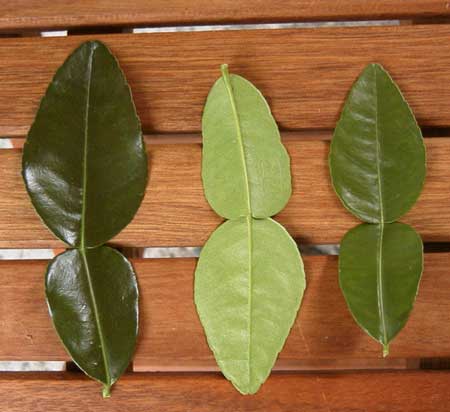
Kaffir Lime Leaves—leaves from a kaffir lime tree…they have a pungent lime/citrus flavor that is delicious. Also of interest is their unique 'double leaf' shape.


Tom Ka Gai Soup (Thai Coconut Chicken Soup)

This recipe serves about 4. I usually double it and we eat it over jasmine rice.

1 can Coconut Milk (best is Aroy-D Brand)
1 ½ can Chicken Broth
4-5 Kaffir Lime leaves-bruised to release flavor
1 inch galangal root- sliced thin
4 Tbs Fish Sauce (best is Squid brand)
4-5 pieces (2”) lemon grass- bruised. (About 2 stalks)
2 boneless skinless chicken breast. Cut into thin strips
*2 fresh Thai chili’s minced to taste for spice
1 bunch scallions, minced
2 Tbs lime juice
1 fresh tomato, chopped
1-2 cups fresh mushrooms, sliced
1 ½ t sugar-taste to see if soup needs before adding
½ cup Cilantro, chopped

Place coconut milk, chicken broth, kaffir leaves, galangal root, and lemon grass in pot and bring to a boil.

Reduce heat. Add chicken and simmer about 10 min or until chicken is cooked. Add chilies, tomato and scallion and cook additional 3 min.

Add fish sauce, lime juice, cilantro and mushrooms. Heat through. Serve immediately.


*I usually do not add the chili’s directly to the soup because the kids won’t eat 'spicy' yet. We actually like a fried chili paste added individually to each bowl. This allows each individual to adjust the spice to his or her own taste. The spice is necessary…the soup is bland without it.

If you do find this brand at your local Asian market….beware! Fiery would be an understatement! A little bit goes a long way...but it is delicious.


Web Sites for Ingredients: http://www.importfoods.com/ or here http://www.amazon.com/


Photo’s of Kaffir leaves, Lemongrass, and Galangal Root snagged from: http://www.fengshui-connection.com/images/KaffirLimeLeaves.jpg
http://www.dkimages.com/discover/previews/798/25095210.JPG
http://www.sacatomato.com/lemongrass.jpg
Related Posts Plugin for WordPress, Blogger...